Philanthro WHAT?
Participants use langauge and art to illustrate the vocabulary of philanthropy and the importance of the tradition of philanthropy to the community.
The learner will:
- use philanthropic vocabulary correctly in complete sentences and draw a picture illustrating the concept.
- 8" x 8" squares of nice paper
- Philanthropy Vocabulary List handout
Instructions
Anticipatory Set:
Discuss the definition of a tradition (a special way of doing something that has lasted a long time because people care about it and pass it on to others). Brainstorm examples from their own families and community of traditions. Write the ideas in a list on the board. Note which examples do something generous for others. For example, "We give cinnamon rolls to the neighbors every Christmas morning."
Discuss: Traditions that involve helping others contribute to strong, healthy communities. Discuss the importance of the tradition of philanthropy to the community. Define philanthropy as "giving time, talent, or treasure and taking action for the common good."
There are many words related to philanthropy that can help us and others understand the concept. Distribute copies of the Vocabulary List and give the young people time to read through the list.
Have each young person select a vocabulary word until all are chosen. Then in small groups they help each other write original sentences using the philanthropic terms correctly.
On the 8" squares, they each illustrate their concept using bright colors. They write the vocabulary word above the drawing and the definition under or within the drawing.
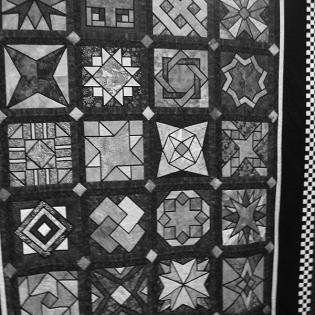
Assemble the squares into a philanthropy quilt and display in a common area so others learn about philanthropy.
Handouts

Philanthropy Framework
-
Strand PHIL.I Definitions of Philanthropy
-
Standard DP 01. Define Philanthropy
-
Benchmark E.1 Define philanthropy as the giving and sharing of time, talent, or treasure intended for the common good.
-
-