In this activity young people are asked to consider how their race, ethnicity, gender, or sexuality impact how they control their emotions. This Self-Management tool asks young people to reflect upon how they regulate their behaviors and emotions. They will then be asked to discuss how race, gender, and other identity markers impact the expectations of behavior and emotion regulation from different groups. Different Strokes for Different Folks is inspired by the article, "Why We Can't Afford Whitewashed Social-Emotional Learning" by Dena Simmons.
Filter by subjects:
Filter by grades:
Filter by audience:
Filter by issue area:
Filter by content type:
Filter by resource type:
resource search
This lesson examines one way a lack of self-awareness can play a role in perpetuating racism and prejudice. Learners identify ways they can advocate for justice and kindness.
Benjamin Franklin's work was in service to making a better world, and he influenced the nonprofit sector. His book, Poor Richards Almanack, makes connections to the common good through personal virtue and actions. The participants choose quotes to create posters that communicate...
Youth identify motivations for giving and social action in the community. They compare research-based motivations of adults and youth. They write a persuasive call to action for an issue of their choice based on the motivations they learned.
Students are introduced to philanthropy and service-learning. They learn about different needs in the community and community organizations that address these needs. Students are introduced to the full scope of the Project Based Learning (PBL) project. This unit follows the...
Written by Bethany Hansen with some content from an earlier edition by
Definition
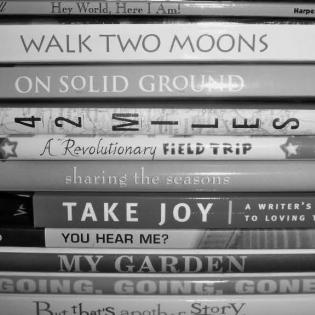
Book Spine Poetry
Make a poem from the titles of books found in your library.
This activity may be done alone, in a small group, or even virtually in a group meeting.
This classic children’s tale, The Lorax, is a timeless call to protect and preserve our natural resources. The Lorax explores the interconnected world of nature and the possible damage if we don’t act responsibly. This book demonstrates the all-too-real consequences for careless consumption
Is your child a saver or a spender? Teaching our children to make choices with money is important because in too few years they need to manage their own money to support themselves.
Judith Viorst is a master at capturing the humor of everyday life in a family of three lively brothers. You will love the persistent but mistake-prone Alexander who wants so badly to be rich, VERY rich.