Music may bring joy or it may help people reflect on their feelings. The "freedom songs" may have motivated the Civil Rights activists as they sought to aid the common good, and we can bring music to someone in the community as a gift of generosity and inspiration.

Filter by subjects:
Filter by grades:
Filter by audience:
Filter by issue area:
Filter by content type:
Filter by resource type:
resource search
Learners recognize that bullying is a civil rights issue that needs to be addressed to promote fairness and safety for all. They create a survey and poll members of their school and family communities.
We learn how different groups coming together for the good of all established the Mayflower Compact. This brief agreement was the first document of its kind designed to bring a community together to focus on the common good. This may be a model for a group agreement written by the...
Written by Jessika Devine
In The Gardener by Sarah Stewart, little Lydia Grace shows her love for her gruff uncle through her extraordinary talent with growing things. The story provides a great lesson for our children that giving time and talent can be more powerful than money.
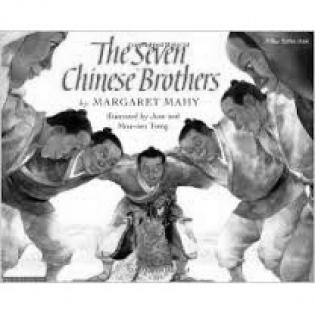
The Seven Chinese Brothers have done nothing wrong. In fact, they are compassionate and helpful to people they don’t even know.
This lesson will teach learners G-d’s appreciation for trees and the importance of planting and preserving trees for our future. The learners will identify these concepts in Biblical verses, Talmudic passages and modern Jewish associations. They will also develop an understand of and an...
This lesson will teach the basic ideas of Shemittah and the practical reasons behind the commandment and the learners will understand the connection between respecting the Earth and respecting themselves.
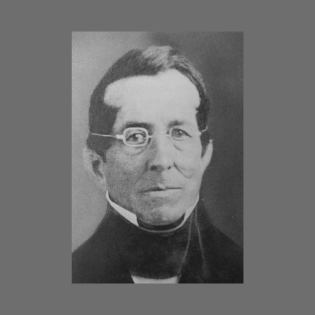
Thomas Hopkins Gallaudet was a trained minister whose future changed when he met Alice Cogswell, a young girl who was deaf. In 1817, Gallaudet opened the "Connecticut Asylum for the Education and Instruction of Deaf and Dumb Persons" in Hartford, Connecticut; it was the first U.S. deaf school. He had observed European educational methods and recruited a teacher of the deaf, Laurent Clerc, whose work helped develop American Sign Language (ASL).