The Free Breakfast for Children Program of the 1960s exemplified mutual aid and differed from traditional charity while still being a form of philanthropy. We discover and learn how the people of a community most affected by issues, including young people, are sometimes the most able to...
Filter by subjects:
Filter by grades:
Filter by audience:
Filter by issue area:
Filter by content type:
Filter by resource type:
resource search
While no two persons are the same, this can unite us rather than divide us. As citizens of a fair and just society, we have the ability to take big and small actions to help us create a more equitable world. This toolkit links to background information, activities and resources, and project ideas related to equity and advocacy.
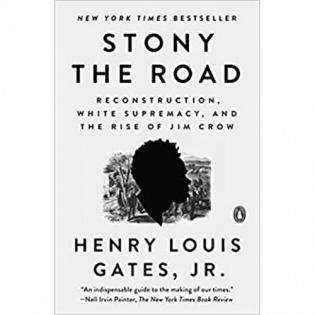
The abolition of slavery in the aftermath of the Civil War is a familiar story, as is the civil rights revolution that transformed the nation after World War II.
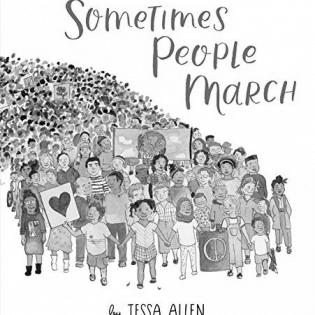
This is an important book that can inform and inspire the reader to use their voice together with others. It is a celebration of our common humanity and illustrates the importance of working together for positive change.
Literature Guide by Maureen Klein
Video Clip and Discussion Guide: When we name big-dollar givers in history, we do not often hear the names of women. Historically women's philanthropy looks different. In this video, we look at examples of women's giving. This is not an attempt to define women's philanthropy, but to look at the less recognized, but still significant, giving of women as philanthropists.
Writing letters to government officials is an effective way to take a stand on an issue. Young people use advocacy as a form of service.
Children learn about caring and sharing through discussion of the book Martin's Big Words. The lesson introduces the "big" word philanthropy (giving time, talent, and treasure for the common good).
Participants learn about the scientific contributions of African American inventors and scientists today and in the past.
What can young people do in their role in civil society as they decide whether and how to get involved? At Learning to Give, we want to help youth learn about and practice taking action for the common good. The following explorations and ideas help to involve voice and action to make a difference.