Unit:
Grades:
3
4
5
We define civic virtue and give examples of ways to exhibit civic virtue for the common good.
We define civic virtue and give examples of ways to exhibit civic virtue for the common good.
Learners learn the characteristics and impact of the nonprofit sector and distinguish it from the for-profit sector. They identify the mission statement in a familiar nonprofit organization.
In the book, Sam and the Lucky Money, we observe Sam as he makes a difficult decision between what he wants and what he knows is right. The children explore the benefits and costs of giving.
Youth Activity: Participants will discover that sharing and trust are important parts of philanthropic action. See the handout for supplemental faith-based discussion questions.
“The point is not to pay back kindness but to pass it on.” ~Julia Alvaraz
In this lesson, a picture books raises awareness of the importance of memories to the people of all ages that make up a community. The children learn the definition of philanthropy and identify an act of philanthropy in the literature book Wilfrid Gordon...
Participants discuss the attributes and benefits of local water resources and ecosystems. They identify the interrelatedness of humans and the environment in the book A River Ran Wild, and discuss how the way we treat the water impacts our lives.
In this critical thinking activity, participants sort ideas and make observations about the difference between the nonprofit sector and the for-profit sector.
The group discusses and agrees on a need to address through donating money. They watch a film about a boy who sets up a lemonade stand and read a book about a national Lemonade Stand effort. Then they identify a need, learn more, and communicate the need to others.
Youth Activity: Participants discover how their time can equal dollars to help their community. See the handout for supplemental faith-based discussion questions.
“My call tonight is for every American to commit at least two years, or 4,000 hours, over the rest of your lifetime...
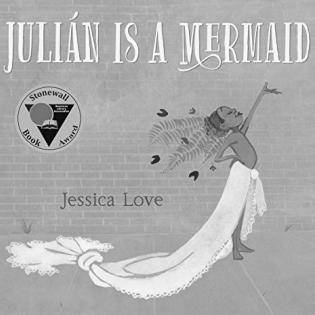
In this book, Julian imagines himself becomming a mermaid after he sees some women dressed up beautifully in mermaid costumes. When he gets home, he dresses up as a mermaid, and at first his Abuela seems angry at him.