Video Clip and Discussion Guide: The government cannot and will not take care of all of society's needs. In all countries, there is a balance of what needs are addressed by government, by business, and by philanthropy (or the nonprofit sector). In the U.S. where the government is relatively small and limited, the nonprofit sector addresses many needs where there are gaps between government and business. Because of the good philanthropy does for all, there are tax benefits for nonprofits and for people who donate to philanthropy.
This resource guide highlights activities you can do with your students to help them enhance their communication and listening skills.
- This Activity Builds Communication Skills. ...
These activities and games educate, equip, and empower young people to build community, trust, and open communication with others in their community.
Ice breakers:
...
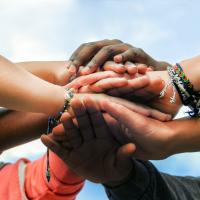
Four Types of Service
Young people who seek to address an issue they care about have many creative opportunities to consider. Exploring these four ways to take action is a starting point for critical thinking. It is important to include the people who are closest to the...
Whether you are in a school, home, faith-based, or community setting, your group can build community through brief check-ins. Check-in meetings may last between 3-15
Young people get outside and play in nature and recognize the beauty of diverse living things in their environment. Their service project is to take action to protect nature and share nature with someone else.
- Read more about Respect for Nature
- Log in or register to post comments
Learners use visual literacy skills to analyze the components and message of an image. They listen carefully and seek to understand the different opinions and perspectives of their peers. They identify issues that are meaningful to them and create a simple image and text to communicate a message that causes others to think.
- Read more about A Picture Is Worth 1,000 Words
- Log in or register to post comments
One of the fundamental purposes for education is to prepare youth for responsible citizenship. This includes caring for others and the common good, understanding how government and voting work, following current events, listening to diverse points of view and having civil conversations, and advocating for a cause. This toolkit includes background information and project ideas related to civic participation.
Learners research the environmental effect of crayons and their own power to make an impact. They collect gently used crayons from restaurants and other places in the community. They sort them by color, repackage them sustainably for re-use, and add a kind note. They learn about the difference between nonprofit and for-profit businesses, and they identify where there is need for the repackaged crayons. Optional: they may plan an art project to do with younger or older generations (preschool or retirement home).
- Read more about Community of Crayon Collectors
- Log in or register to post comments
This guide provides tips and resources about promoting respectful dialogue based on facts and seeking to understand and be understood rather than to win.