Grades:
6
7
8
In this lesson, we learn that small actions do matter to the common good. While Mother Teresa is an amazing example of generosity, selflessness, and caring, we don't need to give up everything and make grand gestures to be caring.
In this lesson, we learn that small actions do matter to the common good. While Mother Teresa is an amazing example of generosity, selflessness, and caring, we don't need to give up everything and make grand gestures to be caring.
In this lesson the learners discuss a quote about gratitude and consider the relationship between caring and gratitude.
Learners define honesty as fairness and straightforward conduct. They look for examples in a story and analyze the merits and mistakes of the main character.
Learners dissect the trait of honesty by describing what it feels and looks like, defining it, and giving examples and nonexamples.
In this lesson, learners brainstorm honesty and its value and benefits to the community, family, friends, and self.
This lesson provides an example of a politician known for his honesty. The learners identify why they depend on politicians to be honest, and discuss why it is difficult for politicians to be honest.
Learners may use either journaling or role-playing to reflect on the benefits to the community of truthfulness and straightforward actions. They analyze traits and actions of someone who has built a "good reputation."
Learners define honesty as fairness and straightforward conduct. They reflect on the benefits to the community of truthfulness and straightforward actions. They analyze the traits and actions of someone who has built a "good reputation."
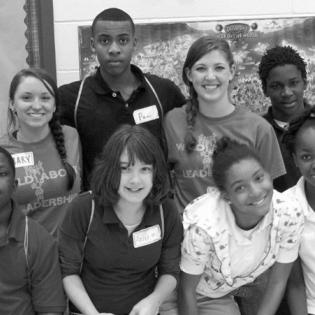
What are the benefits of engaging youth in philanthropy? Young people may bring new ways of thinking to community-centered work, curiosity, and openness to differences. They may also gain skills and knowledge of philanthropy and learn about career opportunities. This document shares benefits to your organization, community, and youth themselves.
A Simple Safe Service project from home: Give food as a gift to express care and love or donate food to community members and local nonprofits. Food has always been a gift we give from our hearts. When we visit family, friends, or community members, we often bring gifts of food, which is an expression of our time and talent - a one-of-a-kind gift. Whether we bring cookies to an elderly neighbor or donate canned goods to a shelter, food is a fundamental need and the first thing we think of in a crisis.