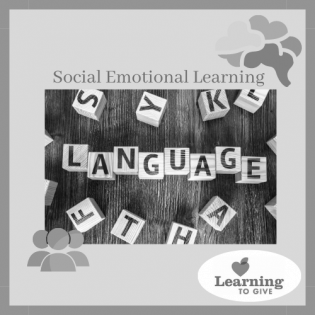
Language holds the power to unite or divide us, and we may unknowingly use language that excludes or offends our listeners. The language used at home, on TV, in Music, and in the Media often contains insensitive or divisive language with the potential to offend. Youth can identify and make an effort to use more inclusive language instead. By managing their own language, youth can serve as models for their peers and others in their community.
Filter by subjects:
Filter by grades:
Filter by audience:
Filter by issue area:
Filter by content type:
Filter by resource type:
resource search
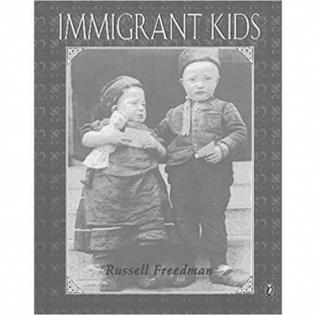
What would it be like to be an immigrant child at the turn of the 20th century? Filled with stunning photographs, this book views history through the eyes of young people. From school to work to play, the experience of immigrant families comes to life. More than just a history lesson, this book will inspire discussions about current events that can open a child’s eyes to some of the needs of the immigrant community. Youth will grow in compassion for others, including people who may seem very different from themselves.
The nonprofit sector assures we have the arts in the form of museums, theaters, ballet, and public art. Through the arts, people gain joy and explore and discuss the themes of life. Art may be an expression and communication tool to advocate for issues. This toolkit includes lesson plans, project ideas, and background information related to the arts.
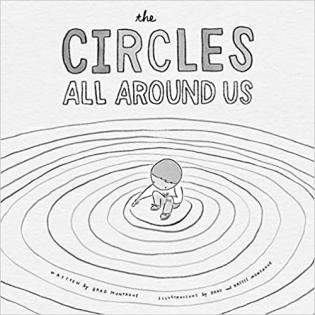
Draw a circle around yourself and consider the love you have inside. Then consider what happens when we share that love with the world. “The Circles All Around Us” challenges the reader to open themselves up to others and in doing so, make the world a better place.
When a crisis upends life or disaster strikes, whether caused by nature or humans, the humanitarian spirit of individuals and communities swells. The lesson plans, project ideas, and links to nonprofit resources here provide opportunities to discuss our response to a crisis and explore actions that young people can take before and after disaster strikes.
There are many ways to be healthy and safe. We can build physical health with exercise and games, healthy food, and sleeping. We can maintain mental health with meditation, relationships, volunteering, and self-care. The health and safety of ourselves and others is important for a healthy community. These lesson plans, project ideas, and community resources help youth understand and advocate for healthy and safe choices for self and community, as well as learn about advocacy for good practices, disease research, anti-smoking/vaping, and mental health.
A Jewish Tale: A pair of rabbis set out to raise some funds for a worthy cause. They approach a wealthy man whose generosity has become blocked, and one of the rabbis knew how to help him unstop it. How is receiving just as important as giving, in cultivating generosity in others and ourselves?
by John Kroetz
Definition
A Mexican Tale: A lazy man helps a man with a runaway horse and in return he is amply rewarded.