Many people have a difficult time distinguishing between acts of kindness and acts of philanthropy. Using the definition of philanthropy from the “Defining Philanthropy” lesson, youth will examine various situations and decide which ones are acts of philanthropy. They may discover...
Filter by subjects:
Filter by grades:
Filter by audience:
Filter by issue area:
Filter by content type:
Filter by resource type:
resource search
Learners read about and discuss Fair Trade and how it relates to justice, fairness, and equity.
We are made by history. In this activity, youth read the stories of philanthropic African Americans and influential related events that made America what it is today. Then they create a virtual Pop-Up Museum as an advocacy service project in which they tell stories of Black history and philanthropy.
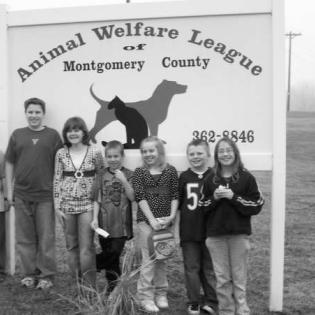
This toolkit guides youth, educators, group leaders, families, and community groups as they investigate the issue of advocacy for animals and prepare to take action. Contents:
The conversation centers on bringing individuals together in community, as they learned from Dr. Martin Luther King, Jr. We each have individual strengths, and we are stronger together as we share our hopes for a world united in generosity for all. The children bind individual pages together...
As demonstrated in these folktales, even the smallest things, when shared, can be examples of philanthropy.
Learners define caring through discussion of examples and writing an acrostic.
Let's explore and connect with ourselves and others by envisioning our community ten years from now. Select a meaningful issue that you deeply care about and visualize it being resolved. Afterward, let's engage in a conversation about the initial actions we can take to turn our vision into reality. Together, we can shape a brighter future!
In this lesson young people learn about the tools of advocacy for the common good. They investigate the characteristics of advocates and develop their own personal advocacy style.
Learners explore personal identity traits and discuss how a community is strengthened by similarities and differences among them. They each write a biographical poem using the provided template and their discussion notes.